
What is the ECS?
Definition: The ECS is a complex cell-signaling system discovered in the early 1990s that plays a crucial role in maintaining homeostasis.

ECS and the Human Body
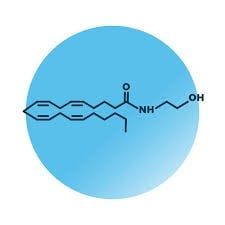
Endocannabinoids
Anandamide (AEA) and 2-Arachidonoylglycerol (2-AG)
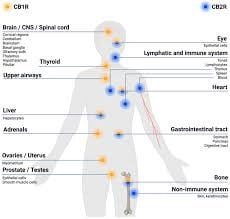
Receptors
CB1 (found primarily in the central nervous system) and CB2 (found primarily in the peripheral nervous system and immune cells)
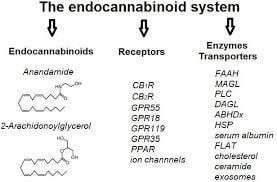
Enzymes
FAAH (fatty acid amide hydrolase) and MAGL (monoacylglycerol lipase)

Plays a Key Role In…
Regulation of mood, appetite, sleep, immune response, and pain sensation.
THC (Tetrahydrocannabinol)
Psychoactive component with possible therapeutic benefits for pain, nausea, and appetite stimulation.
CBD (Cannabidiol)
Non-psychoactive component with studies suggesting a range of different wellness benefits, including anti-inflammatory, anxiolytic, and neuroprotective effects.
CBN, CBG, THCV
Other cannabinoids, and their potential healing effects.
Wide Spectrum of Uses
Psychoactive components of cannabinoids have demonstrated benefits for pain, nausea, and appetite stimulation.
Studies suggest THC to be extremely effective in treating chronic pain, nausea, and spasticity, supporting its increasing use in mainstream primary care.
CBD (Cannabidiol): non-psychoactive component with a possible range of potential therapeutic benefits, including potential anti-inflammatory, anxiolytic, and neuroprotective effects.
More recent studies have detailed the possible benefits of cannabinoids in helping to manage anxiety, schizophrenia, and other conditions.
Functional Fine-Tuning of Metabolic Pathways by the Endocannabinoid System
- These endocannabinoids interact with various parts of our body to ensure everything runs smoothly.
- Modulation of Physiological Processes: The ECS helps regulate things like mood, pain, appetite, and immune response by modulating these pathways.
- Think of It As: ECS is like a conductor in an orchestra, ensuring all parts of our body work in harmony.
- Real-Life Impact: Understanding these pathways can help in developing treatments for various conditions like anxiety, chronic pain, and inflammation often without the need for additional synthetic pharmaceuticals.

Interactions with the Central Nervous System
- The Endocannabinoid System (ECS) is like the body's own peacekeeper.
- Brain Function: It helps regulate brain functions like mood, memory, and stress.
- Neuroprotection: The ECS protects nerves and helps keep our brain healthy and resilient.
- Pain Management: It plays a key role in controlling how we feel and respond to pain.
- Balance and Harmony: Think of the ECS as a conductor, keeping our nervous system balanced and in tune.
- Why It Matters: Understanding the ECS can lead to better treatments for anxiety, PTSD, and neurological disorders.
Neurodevelopment and Neuroprotection
A 2020 study published in Frontiers in Synaptic Neuroscience detailed how the ECS influences neurogenesis and synaptic plasticity, indicating its significant role in neurodevelopment and neuroprotection (Lu & Mackie, 2020).
THC: Binds to CB1 receptors, producing psychoactive effects and neuroprotection. A 2021 study in Neurotherapeutics demonstrated that THC activation of CB1 receptors results in neuroprotective effects against excitotoxicity, which is implicated in conditions such as epilepsy and multiple sclerosis.
Neurological Disease States

Epilepsy and Seizure Disorders
CBD has shown that it may reduce seizure severity and frequency in epilepsy patients, particularly those with treatment-resistant forms.
Neurological Disorders
CBD exhibits promising results, possibly treatments for symptoms of neurological disorders such as multiple sclerosis and Parkinson’s disease.

Chronic Pain
CBD can interact with the body’s endocannabinoid system which regulates pain and inflammation. CBD is thought to reduce pain by inhibiting inflammatory molecules and influencing neurotransmitter activity.
Common Systemic Conditions
Arthritis — endocannabinoids can help manage inflammation and pain response. CBD studies suggest that cannabis can offer a natural option for easing arthritis symptoms and inflammation which can result in a better quality of life.
Hypertension — clinical studies have suggested promise, reducing blood pressure by naturally dilating blood vessels. CBD’s effects on blood pressure may help to reduce the risk of heart disease and stroke.
Cannabis and Digestive Disorders
CBD interacts with the endocannabinoid system (ECS) and may influence appetite, metabolism, and energy balance. Research indicates that cannabinoids may affect appetite through ECS receptors in the brain and digestive system.
CBD is being studied for its potential to support appetite management and possibly aiding treatment for conditions like cancer or HIV/AIDS, and ongoing research is exploring its effects.
Symptoms associated with IBS, Crohn’s Disease, abdominal pain, and diarrhea may be alleviated through reduced inflammation, as CBD could play a role in normalizing gut motility.


Autoimmune Conditions
Studies have shown that CBD can reduce inflammation by limiting cytokine production and modulating immune cell activity.
Studies have shown that cannabis could aid in improving comfort and relaxation in cases of Rheumatoid Arthritis, Lupus and Multiple Sclerosis.
The effectiveness may vary, and more research is needed to understand its full therapeutic effects and optimal dosage.
Sleep & Mental Health
Research suggests that CBD may help reduce symptoms of anxiety disorders by influencing serotonin receptors and neural pathways associated with fear and stress as well as those associated with insomnia and sleep cycle disorders.
Mood stabilization — CBD has been shown to help increase both serotonin and dopamine levels which are crucial for emotional balance and improved mental well-being.
Mental disorders — studies suggest that cannabis may be beneficial in helping to manage physical symptoms of these disorders (such as depression, PTSD and OCD).
CBD has been shown to promote relaxation and reduce anxiety in many patients, potentially aiding a patient in falling asleep and increasing sleep quality.